
Creating the perfect Fettuccine Alfredo isn’t just about tossing pasta in cream and cheese—it’s about mastering the details that make each bite luxuriously smooth and deeply satisfying. In this article, we’ll cover seven professional Fettuccine Alfredo tips that guarantee success every time. From choosing the right butter to perfecting your sauce consistency, these insights will transform your kitchen into a five-star trattoria. Whether you’re after classic Italian flavor or a modern creamy twist, this guide will help you craft an irresistible dish worth savoring.
The Creamy Beginning – Fettuccine Alfredo Tips for Perfect Texture
Start with the Right Ingredients
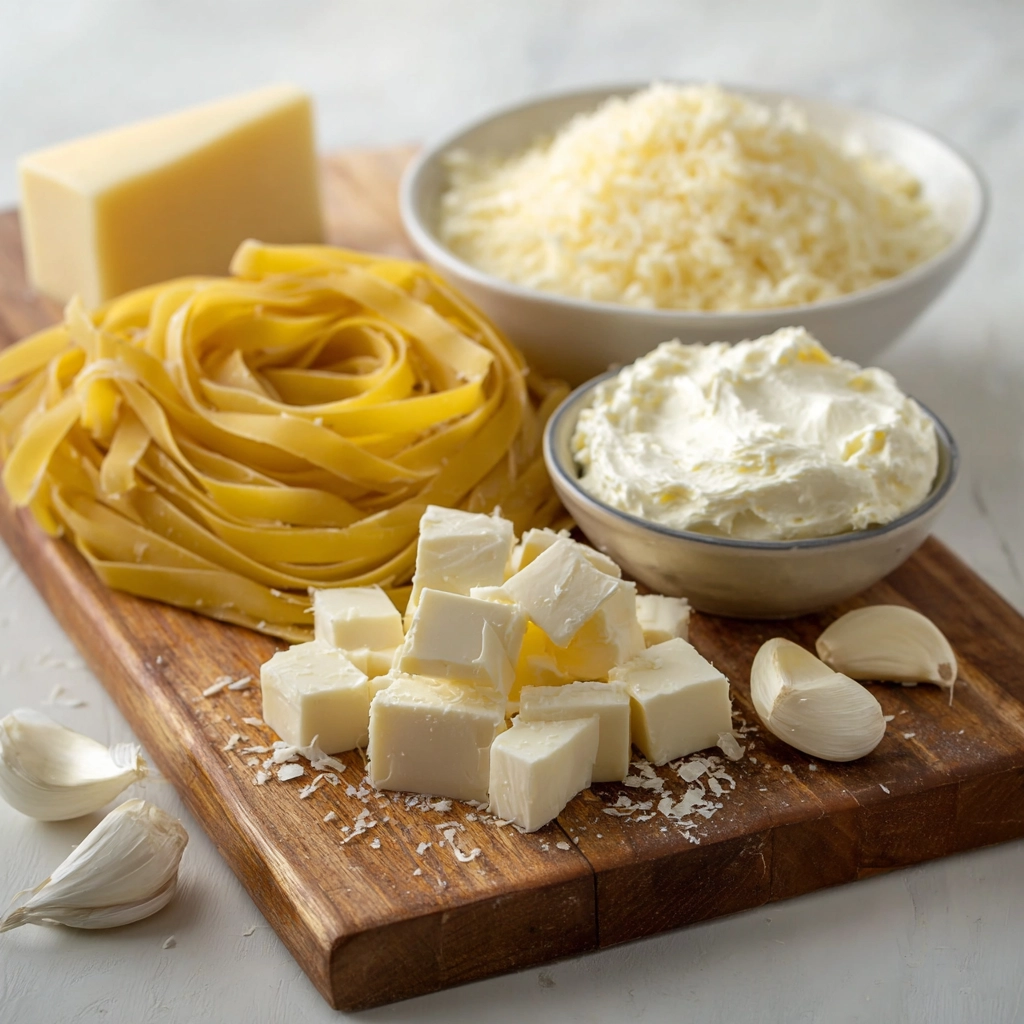
Every exceptional Alfredo begins with top-quality components. Fresh fettuccine pasta provides a supple texture that absorbs sauce effortlessly. Choose European-style butter with higher fat content—it’s crucial for the emulsion that gives Alfredo its signature silkiness. Parmigiano-Reggiano aged at least 24 months lends depth and nuttiness that cheaper cheeses can’t replicate. Remember, your goal isn’t just creaminess—it’s balance.
Temperature Control: The Secret to Stability
One of the most overlooked Fettuccine Alfredo tips is ingredient temperature. Cold cream or cheese can ruin your sauce by causing separation. Bring butter, milk, and cheese to room temperature before mixing. Professional chefs swear by this step, as warm components emulsify smoothly with melted butter and cream. Keep your heat gentle—never boiling—to preserve that velvety consistency that defines true Alfredo mastery.
Print
Fettuccine Alfredo Tips
- Total Time: 33 minutes
- Yield: 4 servings 1x
- Diet: Vegetarian
Description
A creamy Italian classic, these Fettuccine Alfredo tips guide you through seven expert steps for perfect texture, balance, and flavor.
Ingredients
1 lb fresh fettuccine
6 tbsp European butter
2 cups heavy cream
2 cups grated Parmigiano-Reggiano
1/4 tsp white pepper
1/4 tsp nutmeg
Salt to taste
Instructions
1. Bring ingredients to room temperature
2. Boil salted water and cook pasta to al dente
3. Reserve 1 cup pasta water
4. Melt butter and add cream to form base
5. Add cheese gradually while whisking
6. Toss pasta with sauce, adjust with pasta water
7. Let rest 2 minutes before serving
Notes
Use fresh Parmesan only. Avoid pre-shredded cheese.
For a lighter version, swap half the cream with evaporated milk.
- Prep Time: 15 minutes
- Cook Time: 18 minutes
- Category: Main Course
- Method: Stovetop
- Cuisine: Italian
Nutrition
- Serving Size: 1.5 cups
- Calories: 785
- Sugar: 4g
- Sodium: 890mg
- Fat: 54g
- Saturated Fat: 33g
- Unsaturated Fat: 16g
- Trans Fat: 0g
- Carbohydrates: 52g
- Fiber: 2g
- Protein: 22g
- Cholesterol: 195mg
Crafting the Core – How to Build the Ultimate Alfredo Base
Perfect Your Base Sauce
A successful Alfredo begins in the pan. Melt butter slowly until it foams without browning, then pour in heavy cream and whisk continuously. Patience here is key; allow it to reduce slightly to thicken naturally. Overheating will curdle the dairy, so maintain low heat and observe the sauce’s transformation into a glossy, rich foundation.
Master Cheese Integration
Gradual cheese addition is a golden rule among professional chefs. Sprinkle the Parmigiano-Reggiano in stages while whisking steadily, ensuring smooth melting without clumps. This is one of the most important Fettuccine Alfredo tips because even premium cheese can turn gritty when added too quickly. Add freshly ground white pepper and nutmeg at this stage—these subtle spices enhance the sauce’s depth and elevate aroma without overpowering the creamy base.
Pasta Precision – Getting the Fettuccine Just Right
Cooking Pasta to Perfection
Fettuccine should always be slightly undercooked before it joins the sauce. Aim for al dente minus one minute, allowing it to finish cooking as it absorbs flavor. Boil pasta in generously salted water—about one tablespoon per four quarts—to mimic the seasoning used by top Italian kitchens. Avoid oil, as it prevents sauce adhesion.
Harnessing the Power of Pasta Water
Never discard your pasta water—it’s liquid gold! The starches in it act as natural emulsifiers that bring the sauce and pasta together harmoniously. Add it a tablespoon at a time when combining the two. Among the most underrated Fettuccine Alfredo tips, this step ensures your sauce clings beautifully and achieves the luscious texture of restaurant-quality dishes.
Bringing It All Together – Final Alfredo Techniques
The Toss and Rest Method
Once your sauce reaches the ideal consistency, toss the pasta gently with tongs. Move it in a figure-eight motion to distribute the sauce evenly without breaking the noodles. Let it rest for two minutes off heat. This simple pause thickens the sauce slightly as the starches settle, resulting in a cohesive and creamy finish that photographs beautifully for your dinner food pics.
Avoiding Common Mistakes
Avoid using pre-shredded cheese—it contains anti-caking agents that prevent proper melting. Skip boiling sauce or adding cold dairy, both of which lead to a grainy mess. Always taste before salting; Parmesan contributes natural salinity. Finally, invest in a thick-bottomed pan to prevent hot spots that can burn delicate cream. These Alfredo ideas separate a good cook from a great one.
Elevate, Serve & Store – Pro Fettuccine Alfredo Tips for Longevity
Creative Additions and Pairings
For added depth, incorporate roasted mushrooms, grilled shrimp, or sliced chicken breast. The protein contrast enhances flavor without overpowering the sauce. Pair your Fettuccine Alfredo with a crisp Pinot Grigio or a light green salad with lemon vinaigrette to balance richness. Visual appeal counts too—sprinkle freshly chopped parsley for color contrast in your dinner food pics.
Smart Storage & Reheating
Fettuccine Alfredo is best fresh, but leftovers can be revived if handled right. Store in airtight containers for up to two days. When reheating, add a splash of milk and warm slowly on low heat while stirring continuously. Avoid microwaving—it destroys the delicate emulsion. For meal prep enthusiasts, cook pasta fresh and combine it with reheated sauce for best results. This method preserves that luscious texture even hours after cooking.
FAQs
Can I make Fettuccine Alfredo ahead of time?
Yes, prepare the sauce and pasta separately. Reheat the sauce gently and toss with freshly cooked pasta when serving.
Why does my sauce break?
Too much heat or cold ingredients cause separation. Keep your temperature consistent and all ingredients warm.
Can I make gluten-free Alfredo?
Absolutely. Use rice- or corn-based fettuccine and check that your cheese is gluten-free.
Is authentic Alfredo creamy?
Traditional Italian Alfredo is made with butter and cheese only. The American version adds cream for richness.
What’s the best cheese substitute?
Try Pecorino Romano for a sharper, saltier kick—it adds beautiful depth to creamy Alfredo pasta.
Conclusion
The art of crafting unforgettable Alfredo lies in mastering small details—temperature control, patient cheese addition, and proper pasta handling. Follow these fettuccine alfredo tips, and you’ll create a dish that rivals any Italian restaurant. With care and practice, your creamy Alfredo pasta will become a signature recipe that delights everyone at the table. So grab your Parmigiano, warm your pan, and start your journey to the creamiest, dreamiest fettuccine alfredo yet.
Discover more delicious recipes by following me on Facebook and Pinterest.