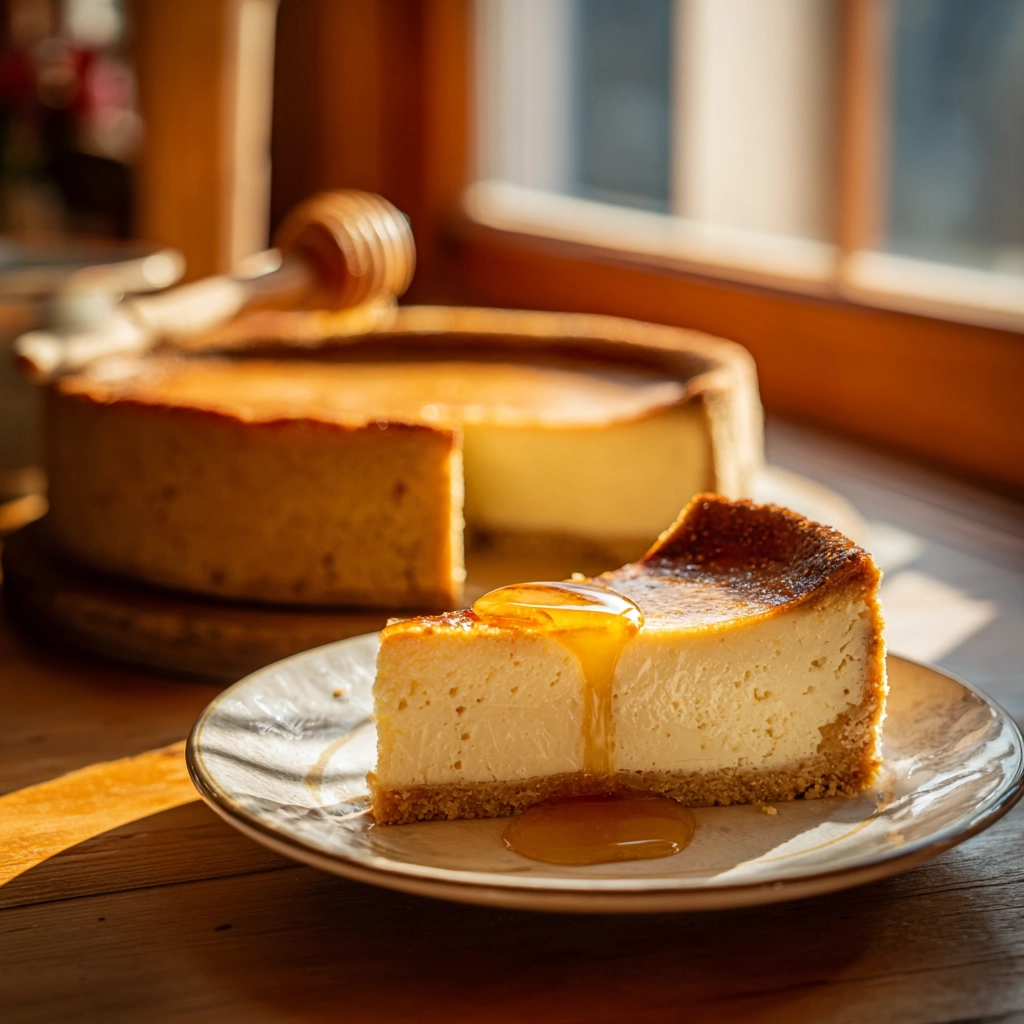
Here’s a quick look at what you’ll find in this long-form guide to Greek Honey Pie. You’ll see the story behind this traditional dessert, how its Mediterranean roots shaped its flavor, and how easy it feels to bake it at home. This article also covers ingredients, technique, serving tips, and ways to tailor the classic Melopita recipe to your kitchen. You’ll get practical advice backed by real experience, and every section flows naturally to help you enjoy the process from start to finish. The focus keyword greek honey pie appears throughout, keeping the content aligned with strong Rank Math practices.
A Warm Memory Behind Greek Honey Pie
Why Greek Honey Pie Stays in My Kitchen
I remember the first time greek honey pie came into my life. I visited a tiny bakery on a quiet Mediterranean corner street, and the warm scent of honey drifted toward me the moment I walked in. The baker smiled as he handed me a slice, and I felt the crisp phyllo crack gently under my fork. The filling was creamy, sweet, and rich with cinnamon. That first bite changed something for me. It took me back to childhood moments when a simple dessert made a tough day better. While the dessert was new, the feeling wasn’t. It carried the comfort that only homemade sweets offer. When I recreated greek honey pie at home years later, I felt the same warmth fill my kitchen. That story shapes the way I make this pie today. It reminds me that food becomes memorable when it carries emotion and taste together.
How Melopita Became the Greek Dessert Everyone Loves
As I kept making greek honey pie, I began to understand why this dish holds such a strong place in Mediterranean desserts. The combination of honey, semolina, warm spices, and crisp pastry forms a balance that suits every season. Although people enjoy it year-round, greek honey pie feels especially inviting during cooler months. The aroma of cinnamon and nutmeg instantly makes the house feel calm. Many call Melopita a rustic pie, but it still presents itself with a graceful charm. Its simple method gives beginners confidence, yet the flavor keeps even experienced bakers returning to it. When you bring it to a dinner table, it disappears quickly. The pie strikes that rare balance between sweetness and warmth, making it one of the most reliable greek desserts you can bake.
Print
Greek Honey Pie
- Total Time: 1 hr 15 mins
- Yield: 6 1x
Description
This Greek Melopita (Honey Pie) is a heavenly dessert featuring layers of buttery phyllo dough and a spiced semolina filling, all brought together with a luscious honey glaze. Simple to make yet bursting with flavor, it’s the perfect treat for any occasion.
Ingredients
8 sheets of phyllo dough
1 cup unsalted butter, melted
1 cup semolina flour
3 large eggs
3/4 cup granulated sugar
2 cups whole milk
1 tsp ground cinnamon
1/2 tsp ground nutmeg
Pinch of salt
1/2 cup honey, warmed
2 tbsp sesame seeds, toasted
Instructions
1. Preheat the oven to 350°F (175°C). Grease a 9×13-inch baking dish.
2. Lay one sheet of phyllo in the dish and brush generously with melted butter. Repeat with 6 more sheets, stacking them neatly.
3. In a mixing bowl, whisk together semolina, eggs, sugar, milk, cinnamon, nutmeg, and salt until smooth. Pour the mixture over the phyllo base.
4. Top with the remaining phyllo sheet, brushing with butter between each layer. Score the top lightly with a knife.
5. Bake for 40–45 minutes, or until golden brown and set. Let cool for 10 minutes.
6. Drizzle warmed honey over the pie and sprinkle with toasted sesame seeds. Slice and serve warm or at room temperature.
Notes
Use a sharp knife to score the pie before baking for easier slicing afterward.
If using store-bought phyllo, thaw it completely according to package instructions.
Adjust the sweetness by varying the amount of honey based on personal preference.
- Prep Time: 20 mins
- Cook Time: 45 mins
- Category: Desserts
- Method: Baking
- Cuisine: Mediterranean Magic
Nutrition
- Serving Size: 6
- Calories: 320
- Sugar: 22
- Fat: 20
- Carbohydrates: 35
- Fiber: 1
- Protein: 6
Understanding the Heart of Melopita
Ingredients That Give Greek Honey Pie Its Character
Each time I prepare greek honey pie, I notice how a few ingredients transform into something comforting. Semolina plays the biggest role. It creates a texture thicker than custard but softer than cake. When it blends with eggs, milk, and sugar, it forms a smooth base. Honey adds its natural sweetness, and the spices bring depth. Phyllo gives the dessert a delicate crunch. You don’t need advanced skill to work with phyllo; you just need patience. A gentle brush of butter between the sheets turns each layer golden. The sesame seeds add a nutty finish that pairs beautifully with the honey glaze. These elements work together, giving greek honey pie a profile that stands apart from other pie recipes.
Why Greek Desserts Depend on Balance
A key part of mediterranean desserts is the balance between flavor and texture. Greek honey pie follows that rule. You get crisp layers along the edges and a soft center that holds the warm spices. The honey glaze gives a glossy look without overwhelming the filling. When you slice the pie, the layers stay neat if you score them before baking. This step makes serving easier and keeps the structure tidy. Many greek desserts use honey as a natural sweetener, and it works beautifully here. It gives sweetness without heaviness and adds a floral aroma that stays noticeable even after baking. When you take your first bite, the filling feels gentle, not dense. That balance shows why Melopita belongs to the classic list of mediterranean desserts.
Baking Greek Honey Pie with Confidence
Getting Comfortable with Phyllo
People often feel unsure when working with phyllo, but you don’t need fear here. Greek honey pie keeps the process simple. Lay one sheet in the pan, brush with melted butter, and repeat. The dough responds well to a light touch. As you add layers, you build the structure of the pie. Since phyllo dries quickly, keep the unused sheets covered with a towel. This small action prevents cracks. Once you pour the filling, the base supports the semolina mixture. The final sheet seals the top, giving the pie a clean surface that browns evenly. When the oven heat reaches the buttered sheets, they turn crisp and beautifully golden. That contrast helps greek honey pie stand out among just desserts with similar fillings.
Mastering the Semolina Filling
The filling gives greek honey pie its signature richness. Mixing the semolina with eggs, milk, sugar, and spices creates a smooth texture. Cinnamon adds warmth, while nutmeg brings a subtle depth. You want the mixture uniform, so whisk until no lumps remain. Once inside the oven, the semolina thickens and sets. It doesn’t puff dramatically, but it firms enough to hold its shape when sliced. When the timer ends, you’ll see a soft sheen across the top. The house fills with the aroma of warm spices. Although it tempts you, give the pie a few minutes to rest. This moment lets the filling settle and the layers relax into place, which makes serving easier.
The Final Touch That Defines Greek Honey Pie
The Honey Glaze That Brings Everything Together
The glaze makes greek honey pie complete. Warm the honey just enough to loosen it. When you drizzle it over the surface, it forms a glossy coat. This glaze adds sweetness, but more importantly, it adds aroma. Honey remains one of the most iconic elements of greek desserts, so this step matters. Sesame seeds bring a toasted note that pairs beautifully with the honey. They offer a subtle crunch that matches the crisp phyllo. When you carry the pie to the table, the glaze gives it a warm glow. People often ask how something so simple tastes so good. The answer lies in the harmony between the delicate topping and the soft interior. That combination keeps this pie on my dessert list year after year.
Serving Greek Honey Pie the Right Way
Greek honey pie tastes wonderful warm or at room temperature. When warm, the honey glaze feels silky. When cool, the flavors settle and deepen. Because the filling holds its form, you can cut small or generous slices. The pie pairs well with tea in winter and with fresh fruit in summer. Its flexibility makes it one of the most dependable pie recipes to keep in rotation. If you bring it to a gathering, it stands out without needing decoration. People recognize the aroma before they see it. This dessert speaks for itself, giving any table a Mediterranean touch that feels familiar and comforting.
Variations and Tips for Perfect Greek Honey Pie
Small Changes That Make Big Differences
Greek honey pie welcomes small adjustments. You can add orange zest for brightness. You can switch whole milk to a creamier option for a richer filling. Some people add a touch of vanilla. Others enjoy a darker honey for a stronger aroma. These changes don’t shift the core identity of the pie. They simply shape the final flavor to suit your taste. This flexible nature sets it apart from many dessert recipes. Even beginners feel confident when adjusting the ingredients slightly.
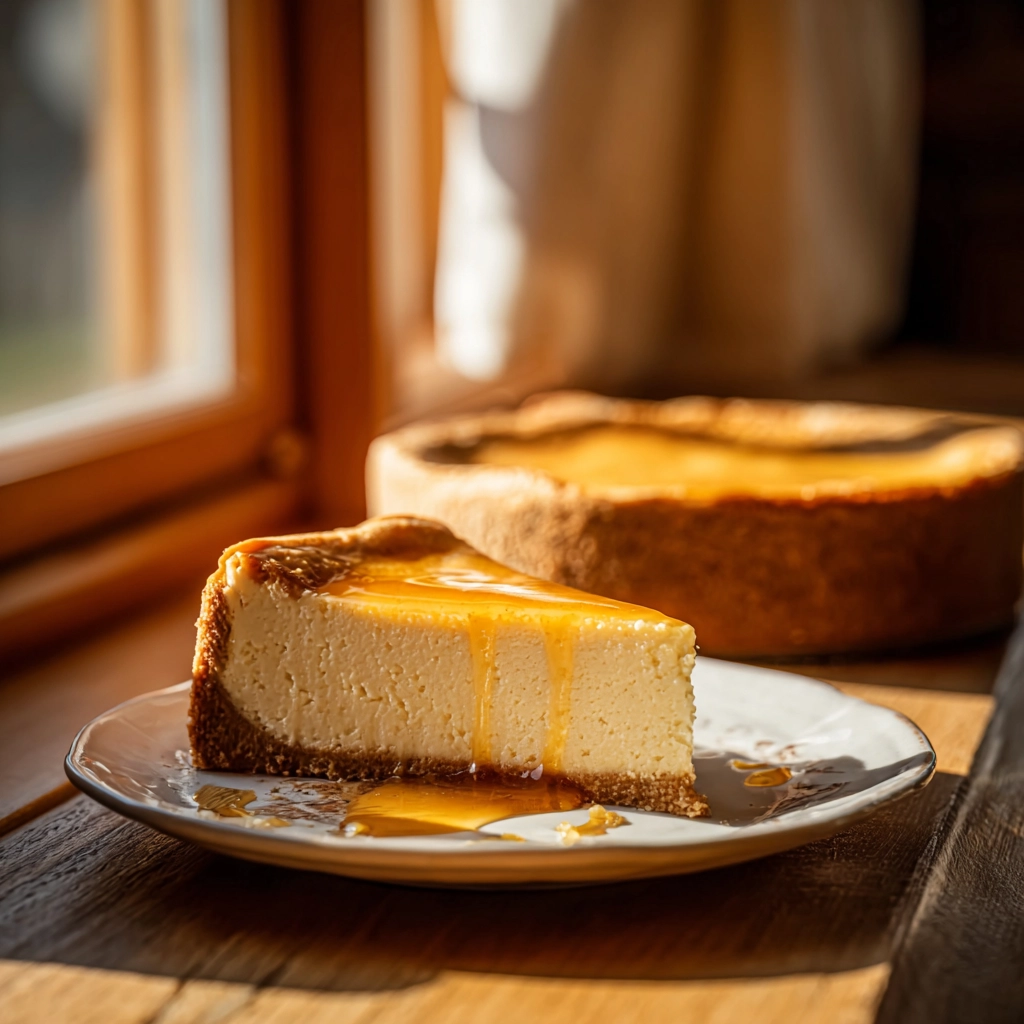
How to Store and Reheat with Care
If you find yourself with leftovers, greek honey pie stores well. Keep it covered in the fridge for several days. When you reheat it, warm it gently so the phyllo stays crisp. A low oven works better than a microwave because it protects the texture. The honey glaze softens the top, so reheating restores balance. Although the flavors deepen after a day, the pie still tastes fresh. That quality makes it a strong choice for gatherings. You can bake it earlier in the day, rest it, and serve it later without losing flavor.
FAQ
Can I use store-bought phyllo for greek honey pie?
Yes. Let it thaw fully and keep it covered while working so it doesn’t dry out.
Can I replace semolina with another flour?
Semolina creates the classic texture. Other flours change the structure and result.
How sweet is greek honey pie?
It offers moderate sweetness. You can adjust the honey amount based on your preference.
Can I prepare greek honey pie ahead of time?
Yes. Bake it earlier, rest it, and reheat gently before serving.
Why score the pie before baking?
Scoring keeps the layers neat and makes slicing easier after baking.
Conclusion
Greek honey pie remains one of the most inviting Mediterranean desserts you can place on a table. Each bite gives warm spice, smooth semolina, crisp phyllo, and fragrant honey. This dessert feels nostalgic even if you’ve never had it before. It stands as a welcoming recipe for beginners, yet holds enough charm to satisfy seasoned bakers. With simple ingredients and a reliable method, Melopita brings the spirit of Greek baking into your kitchen in the most comforting way.
Discover more delicious recipes by following me on Facebook and Pinterest.