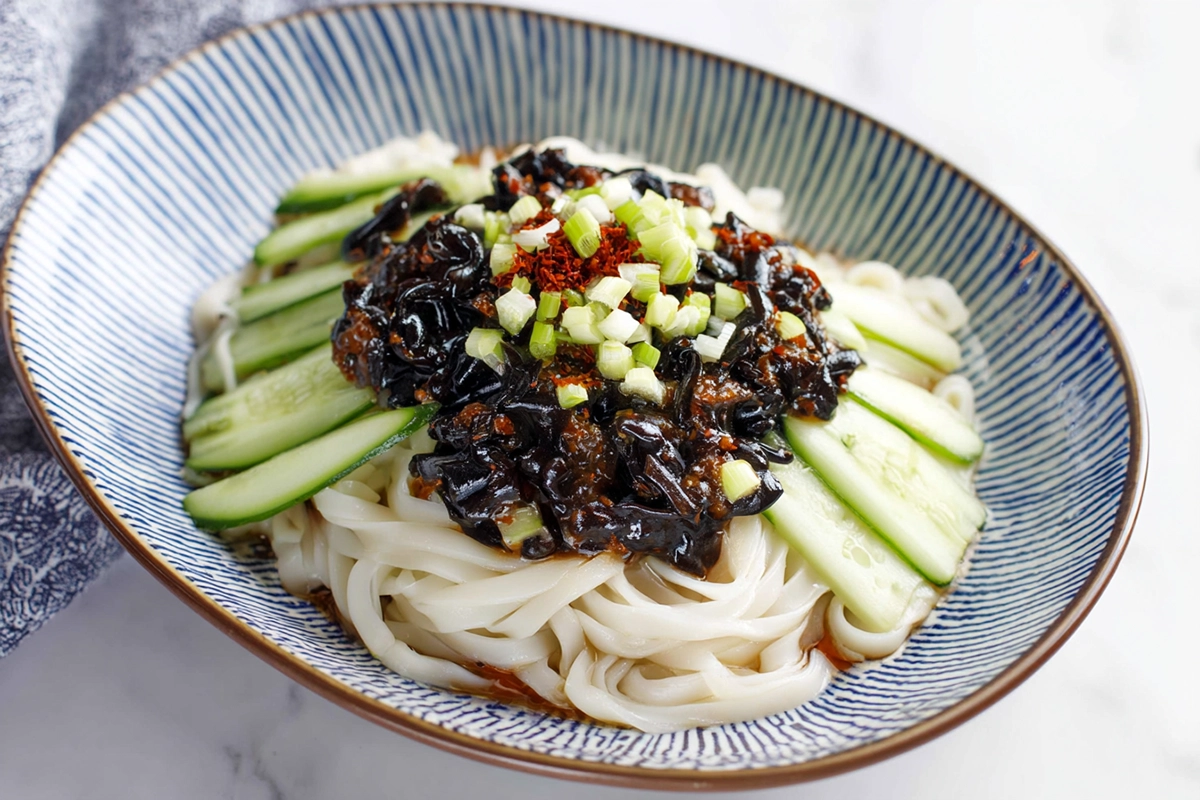
If there’s one dish that can win over picky eaters, comfort-seekers, and adventurous foodies alike, it’s jajangmyeon. Think chewy noodles coated in a silky, savory black bean sauce that clings to every strand—yes, it’s as satisfying as it sounds. This Korean favorite isn’t just a restaurant staple; with the right steps, it becomes a comforting, fuss-free meal you can whip up in just 30 minutes at home.
I know what you’re thinking: “Isn’t jajangmyeon something you order when you want takeout?” Absolutely, but hear me out. This quick jajangmyeon recipe is perfect for those nights when you’re craving something hearty but don’t want to babysit a pot for an hour. It’s got all the richness of the noodles you’d find in a bustling Korean eatery, minus the wait time—and minus the delivery fee (because let’s be honest, that adds up!).
Whether you’re cooking for your kids, surprising your partner with a new dish, or treating yourself after a long workday, this recipe fits the bill. Plus, we’re leaning into one of my kitchen loves—pork belly noodles—which adds just the right amount of indulgence.
Why You’ll Love This Jajangmyeon
-
Ready in just 30 minutes.
-
Cozy, rich, and full of flavor.
-
Perfect introduction to homemade Korean noodles without the intimidation factor.
-
A dish the whole family will ask for again.
Ingredients You’ll Need
-
1.20 lbs (545 g) thick wheat noodles (fresh recommended, or substitute with udon)
-
0.65 lbs (295 g) pork belly, chopped small
-
1 small onion, finely chopped
-
1 cup (100 g) green cabbage, chopped
-
1 cup (100 g) zucchini, diced
-
2 green onions, finely chopped
-
⅓ cup (70 g) Korean roasted black bean paste (Chunjang)
-
3 tbsp (45 ml) vegetable oil or neutral oil
-
1 tbsp (15 ml) oyster sauce (or vegetarian stir-fry sauce)
Cornstarch slurry:
-
2 cups (480 ml) cold water
-
2 tbsp (16 g) cornstarch (or potato starch)
-
2 tbsp (25 g) sugar
Garnish:
-
¾ cup (75 g) cucumber, thinly sliced
Step-by-Step Instructions
-
In a bowl, mix sugar, cornstarch, and cold water. Stir until smooth. Set aside.
-
Heat a large pan on medium. Add oil and fry the black bean paste for 2–3 minutes, stirring. Strain excess oil and keep the paste.
-
In the same pan with about 1 tbsp oil left, fry the pork belly until browned and crispy on the edges.
-
Toss in onion and green onion, sauté until softened. Add zucchini and cabbage, cooking until tender.
-
Return pork belly and black bean paste to the pan. Mix well. Stir the cornstarch slurry again and pour it in. Simmer, stirring, until the sauce thickens.
-
Add oyster sauce and taste-test—adjust as needed.
-
Meanwhile, boil noodles in a large pot for 3–4 minutes until al dente. Drain immediately.
-
Serve noodles in bowls, ladle sauce generously on top, garnish with cucumber, and enjoy warm.
Cooking Tips for the Perfect Jajangmyeon
The beauty of this dish is its flexibility. Don’t stress if you can’t find every ingredient at your local store. Udon noodles or even spaghetti can stand in for fresh wheat noodles. If pork belly feels too rich for your weeknight mood, swap it with chicken thighs or even shrimp for a lighter twist.
Here’s another tip: fry the black bean paste in oil. Don’t skip this step—it mellows the paste’s bitterness and transforms it into that silky, crave-worthy sauce we all love. And when you’re mixing in your slurry, keep stirring! It might look thin at first, but patience brings that glossy sauce together. Think of it like magic slowly happening in your pan.
Also, don’t worry if your sauce looks darker than what you’ve seen at a restaurant. Homemade always carries its own personality—it’s about flavor, not perfection.
My Story with Jajangmyeon
The first time I made jajangmyeon, it wasn’t exactly pretty. I underestimated the power of black bean paste and ended up with a sauce that could probably stain countertops for eternity. But here’s the thing—my family still devoured it, laughing as we wiped sauce off our faces like toddlers. That’s when I realized: this dish isn’t about being dainty. It’s about comfort, fun, and a little bit of delicious chaos.
Now, whenever I make these Korean black bean noodles, it takes me back to that evening. My kids beg for seconds, my husband sneaks forkfuls straight from the pan, and I get to enjoy the simple joy of a meal that brings us together. That’s the magic of food—it’s never just about eating; it’s about creating memories.

What to Serve with Jajangmyeon
Traditionally, jajangmyeon shines on its own. But if you want to round out the meal, consider serving it with a few light side dishes. A crisp cucumber salad balances the richness beautifully, while kimchi adds a tangy punch that cuts through the savory sauce. If you’ve got the time, whip up some Korean pickled radish—it’s the crunchy, zesty contrast that makes each bite even better.
For a more filling dinner, pair it with pan-fried dumplings or scallion pancakes. And if you’re serving a crowd, a side of steamed edamame is quick, simple, and a healthy add-on that keeps hands busy while the noodles disappear.
Think of jajangmyeon as your canvas—you can keep it casual for a weekday meal or dress it up into a mini Korean feast. Either way, your guests (or kids!) won’t leave hungry.
How to Store Leftovers
If you’re lucky enough to have leftovers (and that’s a big “if”), keep the noodles and sauce separate. Store the sauce in an airtight container in the fridge for up to three days. The noodles should be kept plain and chilled; they’ll clump a little, but a quick rinse under hot water before serving brings them back to life.
For longer storage, freeze just the sauce in a freezer-safe container—it keeps well for up to two months. When you’re ready, thaw in the fridge overnight and reheat gently on the stove. Add a splash of water to loosen the sauce if needed.
One warning: reheating already sauced noodles can leave you with a gummy mess. So trust me, keep them separate if you can. Future you will thank present you for this little act of kitchen wisdom.
FAQs About Jajangmyeon
Can I substitute the pork belly?
Yes! Try chicken, beef, tofu, or even shrimp. This dish is incredibly versatile.
Do I need Korean noodles, or can I use what I have?
While fresh wheat noodles are traditional, udon or even spaghetti work well for a quick jajangmyeon recipe.
Is jajangmyeon spicy?
Not at all. It’s more savory than spicy. If you want heat, add a little gochujang or chili flakes.
Can I make this vegetarian?
Absolutely. Just swap the pork belly for mushrooms or tofu and use vegetarian stir-fry sauce instead of oyster sauce.
How long does it take from start to finish?
Just 30 minutes—perfect for weeknights when you need comfort fast.
A Bowlful of Comfort
There’s something incredibly comforting about twirling a fork (or chopsticks!) into a bowl of steaming jajangmyeon. The glossy black bean sauce, the chewy noodles, and the little crunch from cucumber garnish—it’s the kind of meal that feels indulgent yet grounding at the same time.
Whether you’re diving into this as your first attempt at homemade Korean noodles or making it your hundredth time, this dish has a way of bringing joy to the table. And isn’t that the heart of cooking? Not just feeding our bodies, but feeding our souls, too.
So the next time you’re tempted to order takeout, try making this instead. One bite, and you might just find your new weeknight favorite.
Discover more delicious recipes by following me on Facebook and Pinterest.
Print
Jajangmyeon
- Total Time: 30 minutes
- Yield: 4 servings 1x
Description
Jajangmyeon is a classic Korean noodle dish featuring chewy wheat noodles coated in a silky, savory black bean sauce. This quick version with pork belly, vegetables, and roasted black bean paste delivers deep, comforting flavor in just 30 minutes—perfect for busy weeknights.
Ingredients
-
1.20 lbs (545 g) thick wheat noodles (fresh recommended, or udon substitute)
-
0.65 lbs (295 g) pork belly, chopped small
-
1 small onion, finely chopped
-
1 cup (100 g) green cabbage, chopped
-
1 cup (100 g) zucchini, diced
-
2 green onions, finely chopped
-
⅓ cup (70 g) Korean roasted black bean paste (chunjang)
-
3 tbsp (45 ml) vegetable or neutral oil
-
1 tbsp (15 ml) oyster sauce (or vegetarian stir-fry sauce)
Cornstarch slurry:
-
2 cups (480 ml) cold water
-
2 tbsp (16 g) cornstarch (or potato starch)
-
2 tbsp (25 g) sugar
Garnish:
-
¾ cup (75 g) cucumber, thinly sliced
Instructions
-
Make slurry: Mix sugar, cornstarch, and cold water in a bowl. Stir smooth, set aside.
-
Cook black bean paste: Heat oil in a large pan, fry paste 2–3 minutes. Strain excess oil, leaving about 1 tbsp in pan.
-
Cook pork belly: Fry until browned and crisp.
-
Add vegetables: Toss in onion and green onion, sauté until softened. Add zucchini and cabbage, cook until tender.
-
Build sauce: Return pork belly and black bean paste. Stir in slurry, simmer until thickened. Add oyster sauce, adjust to taste.
-
Cook noodles: Boil noodles 3–4 minutes until al dente, drain well.
-
Assemble: Place noodles in bowls, top with a generous ladle of sauce. Garnish with sliced cucumber.
Notes
Udon or spaghetti work as substitutes for wheat noodles.
Swap pork belly for chicken, shrimp, or tofu for a lighter option.
Frying the black bean paste first reduces bitterness and deepens flavor.
Keep noodles and sauce separate when storing to avoid clumping.
- Prep Time: 10 minutes
- Cook Time: 20 minutes
- Category: Main Course / Noodles
- Method: Stovetop
- Cuisine: Korean