
Before we dive into this warm bowl of comfort, let me tell you how this gyoza soup became one of my go-to meals. Years ago, on a rainy evening after work, I craved something quick yet soothing. I remembered a tiny ramen shop where the owner would slide over a simple Japanese dumpling soup with a smile, almost as if he knew exactly what the day required. I tried making my own version at home, and since then, this gyoza soup has become my reliable answer whenever life feels hectic. It’s fast, friendly, and full of flavour. In this article, we’ll talk through the story, the ingredients, the cooking method, helpful variations, and ways to serve this Japanese dumpling soup so you can make it your own.
The Comfort of Gyoza Soup and Why It Works
A Warm Bowl of Gyoza Soup at the End of the Day
How Japanese Dumpling Soup Fits Busy Routines
Gyoza soup brings comfort without the weight of time-consuming prep, and that’s one reason it stays close to my heart. When I first tried making a batch, I discovered how the simple mix of ginger, garlic, broth, pak choi, and soft dumplings came together with almost no effort. Because the dish uses ready-made dumplings, the process turns into an uncomplicated rhythm. You sauté the aromatics, drop the gyozas into a gentle broth, watch them soft-boil, and in minutes the bowl is ready. This makes the soup a great weekday dish, especially when you need something warm but don’t want to stand over the stove forever.
As I made it more often, I noticed something else. Gyoza soup allows freedom. You can raise the richness, add more vegetables, switch broths, or tailor the spice. Once, after a long walk in the cold, I tossed in extra chilli oil and a handful of mushrooms. Another time, I added rice noodles for a fuller meal. That flexibility is part of what keeps this Japanese dumpling soup fresh and exciting. You never get stuck in a routine, even if you cook it every week.
The keyword gyoza soup naturally appears here because it connects to the feeling we associate with it: quick comfort. With only ten minutes of cooking, this recipe never feels like an obligation. Instead, it becomes a treat, a moment when you pause and enjoy something soothing. You’ll notice how light the broth tastes, yet how satisfying the dumplings feel in each spoonful. That contrast brings balance and turns this soup into a dish you crave, not something you cook only once.
Print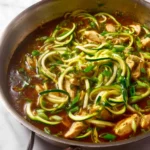
Gyoza Soup
- Total Time: 10
- Yield: 1 1x
Description
This quick gyoza soup delivers a warm Japanese dumpling soup with vegetables, ginger, garlic, and a rich broth ready in 10 minutes.
Ingredients
5 vegetable gyozas
2 spring onions, thinly sliced
1/2–1 bulb pak choi, sliced
20 g ginger, grated
1 garlic clove, minced
1/2 courgette, spiralised
500 ml vegetable stock
1 tbsp soy sauce
1 tbsp chilli oil
Salt and pepper
Instructions
1. Heat chilli oil on low and sauté white ends of spring onions.
2. Add garlic and ginger and cook one minute.
3. Add gyozas, pak choi, courgette, stock, and soy sauce.
4. Stir gently, cover, and simmer seven minutes.
5. Serve with spring onions and optional chilli flakes.
Notes
Add noodles for extra carbs.
Add chicken, pork, or tofu for protein.
Extra vegetables work well: mushrooms, green beans, cabbage, sweetcorn.
- Prep Time: 3
- Cook Time: 7
- Category: mains
- Method: stovetop
- Cuisine: Japanese
Nutrition
- Serving Size: 1
Ingredients That Give Gyoza Soup Its Signature Taste
Why Aromatics Build the Base of Japanese Dumpling Soup
How Gyoza Broth Gains Flavour from Simple Additions
The base of a good gyoza soup starts with heat, ginger, garlic, and the soft sizzle of spring onions. That first step releases aroma and forms the foundation of the broth. Ginger adds warmth and brightness, while garlic brings depth. When the spring onions soften in the chilli oil, the scent feels inviting, almost like a signal that something comforting is coming.
As you continue, the broth becomes more interesting. You pour in vegetable stock and soy sauce, watching the liquid darken slightly. That combination gives the soup its classic gyoza broth taste—salty, savoury, and full of character. The stock hydrates every ingredient in the pot, while soy sauce sharpens the flavour. When these two meet, they highlight the dumplings and help soften the pak choi.
Next comes the fun part. You drop in the vegetable gyozas and the spiralised courgette. This might look like a simple addition, but everything changes once those dumplings begin absorbing broth. The dough softens, the filling warms, and the flavour moves through the pot. The courgette lightens the bowl and gives it a fresh, delicate bite. Meanwhile, pak choi stays firm at the base but soft around the edges, making each spoonful taste layered.
This is what makes a Japanese dumpling soup charming. It’s not complex ingredients. It’s how everything works together. You take humble vegetables, a handful of dumplings, and a few cupboard staples, then turn them into a bowl that feels complete. Even when you keep the ingredient list small, the dish never tastes plain. It tastes intentional.
Cooking Gyoza Soup the Simple Way
Step-by-Step Rhythm for a Perfect Gyoza Broth
Tips That Keep Japanese Dumpling Soup from Overcooking
Cooking gyoza soup feels quick, but it still has a flow you can follow every time. You begin by heating chilli oil on a low flame. Keeping it low matters because you want the spring onions to soften gently, not fry too quickly. As they become fragrant, you add ginger and garlic. The moment this mixture hits the pan, your kitchen smells like a Japanese café.
Then it’s time to add everything else at once. Because the dumplings cook directly in the broth, you don’t need extra pans or pre-searing. Add the gyozas, pak choi, courgette, stock, and soy sauce. Stir lightly so the dumplings separate and the courgette spreads through the pot. Put the lid on, reduce the heat, and let the soup simmer.
This seven-minute simmer is crucial. It allows the gyoza wrappers to soften without falling apart. The steam keeps the courgette bright, and the pak choi stays slightly crisp near the stalk. When the dumplings float, the soup is ready. That’s your cue to lift the lid and check the aroma. You’ll sense ginger, garlic, and a gentle wave of soy.
One tip that always helps: avoid stirring too aggressively after the dumplings soften. Calm stirring prevents tearing. Another tip: taste the broth before serving. Because ingredients vary, sometimes you want a little more soy sauce or an extra drop of chilli oil. Adjusting the seasoning brings the bowl closer to your preference. That freedom is part of the joy in cooking gyoza broth at home.
Customising Gyoza Soup for Different Diets and Preferences
Adding Noodles, Protein, or Vegetables to Your Japanese Dumpling Soup
How to Adapt Gyoza Broth Without Losing Its Essence
Gyoza soup shines because you can shape it to match your appetite. When I cook it for a larger meal, I add ramen noodles or rice noodles. They soak up the broth and turn the bowl into something more filling. When I want more protein, I slice chicken or pork thinly and let them poach directly in the broth. They cook fast and stay tender.
For a vegetarian version, tofu works well. Soft tofu absorbs broth, while crispy tofu adds contrast. When I made the soup for a friend who loves vegetables, I added sweetcorn, mange tout, mushrooms, and cabbage. The bowl turned colourful and hearty while still keeping the original flavour.
You can also adjust the spice by changing the amount of chilli oil or adding chilli flakes at the end. Another idea is to switch broth types. Miso broth gives a deeper taste, while chicken broth makes it richer. If you want a lighter version, you can increase the courgette or reduce the soy sauce.
Every time you personalise the soup, you keep its spirit: warm, balanced, and quick. That’s why gyoza soup fits so many homes and tastes. It holds its identity even when you add or change ingredients. As long as the dumplings and broth remain, the dish stays recognisable.
Serving, Storing, and Enjoying Gyoza Soup
How to Plate Japanese Dumpling Soup So It Feels Special
Storing Gyoza Broth for Another Day Without Losing Texture
Serving gyoza soup feels simple, yet small touches make it more enjoyable. Use a deep bowl to hold the broth and keep the dumplings intact. Add sliced spring onions on top for freshness. If you like spice, sprinkle chilli flakes. These tiny garnishes bring colour and aroma.
If you want to serve the soup for friends or family, consider preparing toppings in small bowls so everyone can customise their own portion. People often enjoy choosing the heat level or adding extra greens. This approach keeps things fun and interactive.
For storage, it’s best to keep the dumplings separate if you plan to save soup for later. When dumplings sit in broth overnight, they soften too much. Store broth and vegetables in one container, dumplings in another. When you reheat, warm the broth first, then add the dumplings and heat them gently. This keeps everything firm and pleasant.
If you freeze the soup, freeze only the broth and vegetables. Dumplings freeze well on their own, but not once soaked. When you’re ready to enjoy another bowl, thaw the broth, simmer it, and add frozen dumplings. They cook quickly and taste fresh again.
These small choices help you enjoy gyoza soup anytime—whether fresh, reheated, or prepared ahead.

FAQ About Gyoza Soup
Does gyoza soup work with meat gyozas?
Yes, it works perfectly. Chicken, pork, or prawn gyozas all pair well with this broth.
Can I use frozen dumplings?
Absolutely. Add them directly to the pot without thawing.
How spicy is the original recipe?
The soup has a gentle heat from the chilli oil. You can reduce or increase it easily.
Does gyoza broth need soy sauce?
Soy sauce adds depth, but you can substitute tamari or a low-sodium version.
Can I meal prep this dish?
Yes. Store the broth separately from the dumplings for best texture.
Discover more delicious recipes by following me on Facebook and Pinterest.